
Scotland’s Wee Beasties - What Walkers Need to Know
Discussing the wee beasties that we encounter when in the mountains in Scotland is sometimes a bit of a taboo. What if someone has a phobia? What if I put my group off? What if it ruins our day out?
In this blog we’re going to address the elephant in the room! From understanding the risks associated to choosing a route that might be least affected. Read on, if you dare…
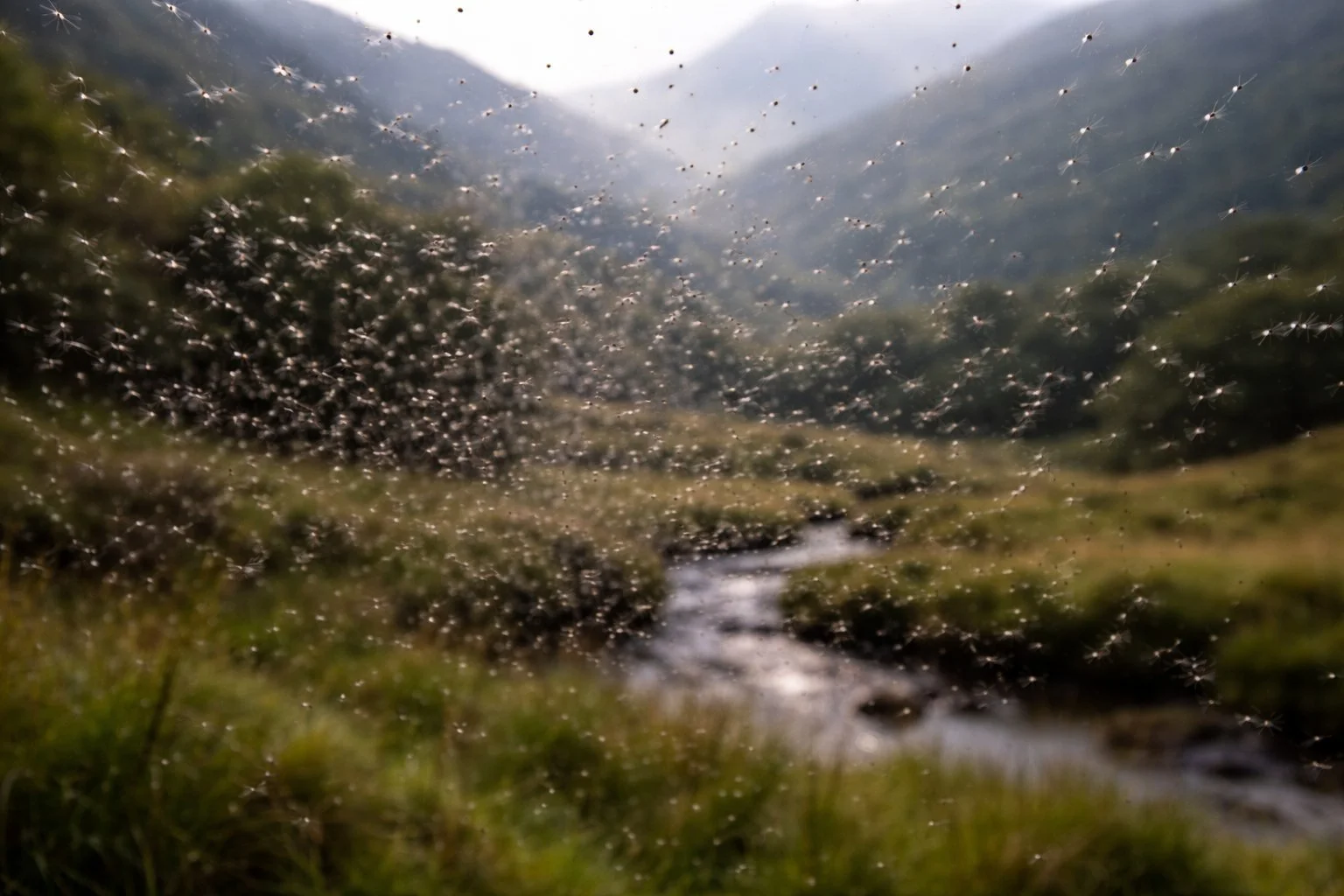
A picturesque Highland landscape..
Midges
Midges need no introduction; they have been the bane of many picturesque Highland camping experience and are discussed in depth far and wide. There’s even a forecast for them! They are most active from late spring to early autumn, particularly in warm, humid, and still conditions.
They’re commonly found:
In sheltered glens and wooded areas.
Near standing water and boggy ground.
During calm weather, especially at dawn and dusk.
Managing Midges on the Hill
Midges are best managed through a combination of planning and simple measures:
Choosing wind exposed routes and stops where possible.
Wearing long sleeves and trousers.
Using a head net and proven insect repellent (we find Smidge effective).
Top Tip: My technique for when they’re really bad: a head net over a baseball cap and a thin hoody over the top! A pair of thin gloves and trousers tucked into socks. It’s a good look!
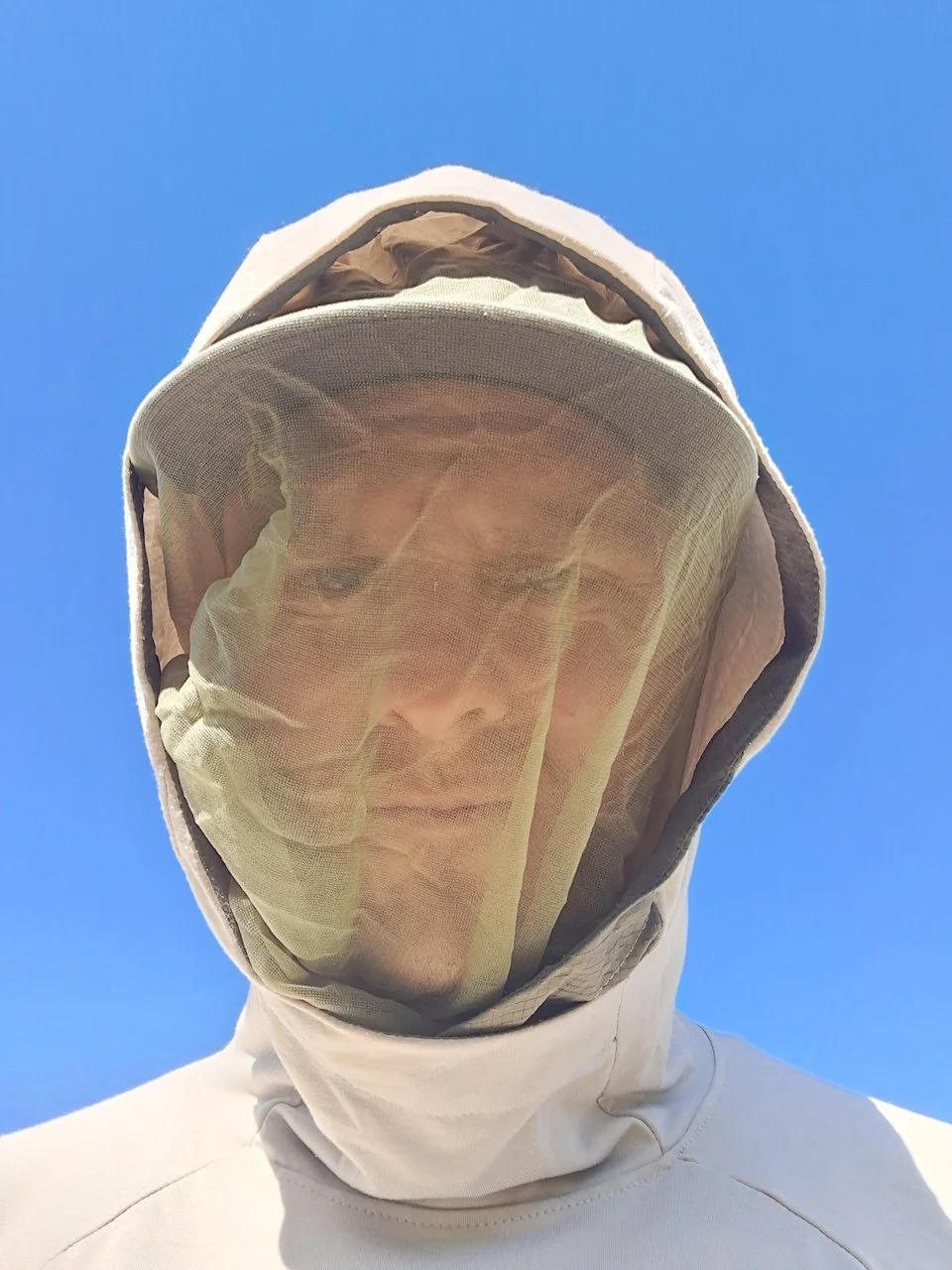
It’s a good look.
Ticks
Ticks are widespread across Scotland and are active throughout much of the summer. They are most commonly found in:
Long grass and bracken.
Woodland edges.
Moorland and lower-level paths.
Areas with high deer populations.
Ticks attach to the skin and can transmit diseases such as Lyme disease, making prevention and early detection important.
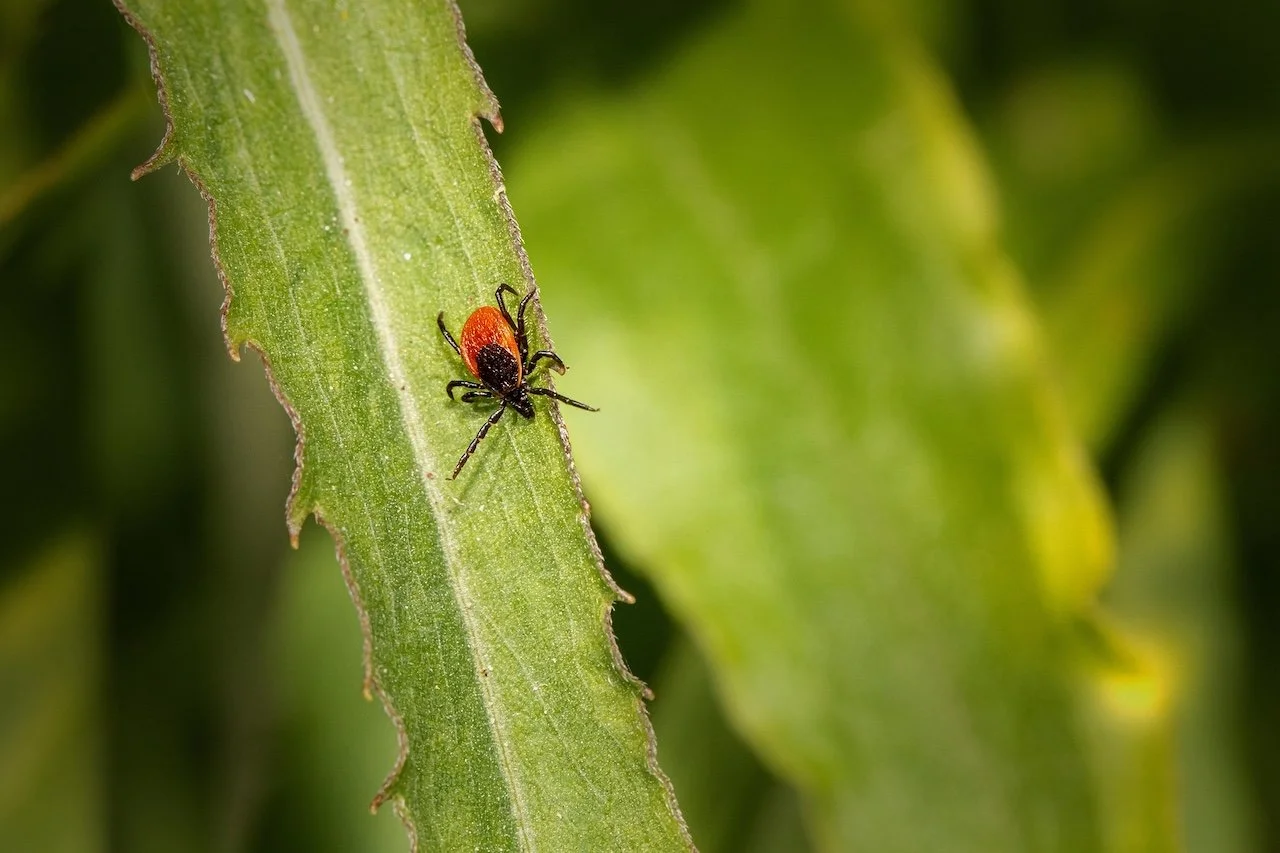
A sheep tick.
Reducing Tick Exposure
Risk can be reduced by:
Wearing long trousers tucked into socks.
Sticking to clear paths where possible.
Avoiding brushing against long vegetation.
Applying insect repellent to footwear and lower legs or wearing clothing with built in insect repellent.
Top Tip: Light-coloured clothing, especially trousers, can help make ticks easier to spot.
Checking for and Removing Ticks
After walking, ALWAYS check carefully for ticks as soon as possible.
Key steps include:
Checking legs, waist, underarms, and behind knees.
Removing ticks promptly with a proper tick removal tool.
Prompt removal reduces the likelihood of infection.
Lyme Disease
There’s plenty of information online about Lyme disease, and lots of research being carried out to understand it better. The most common symptoms are:
A ‘bulls eye’ mark on your skin.
Fever, headache, muscle and joint pain or tiredness and loss of energy.
Please seek professional advice if you’re experiencing any of these and have been in environments where ticks may have been present.
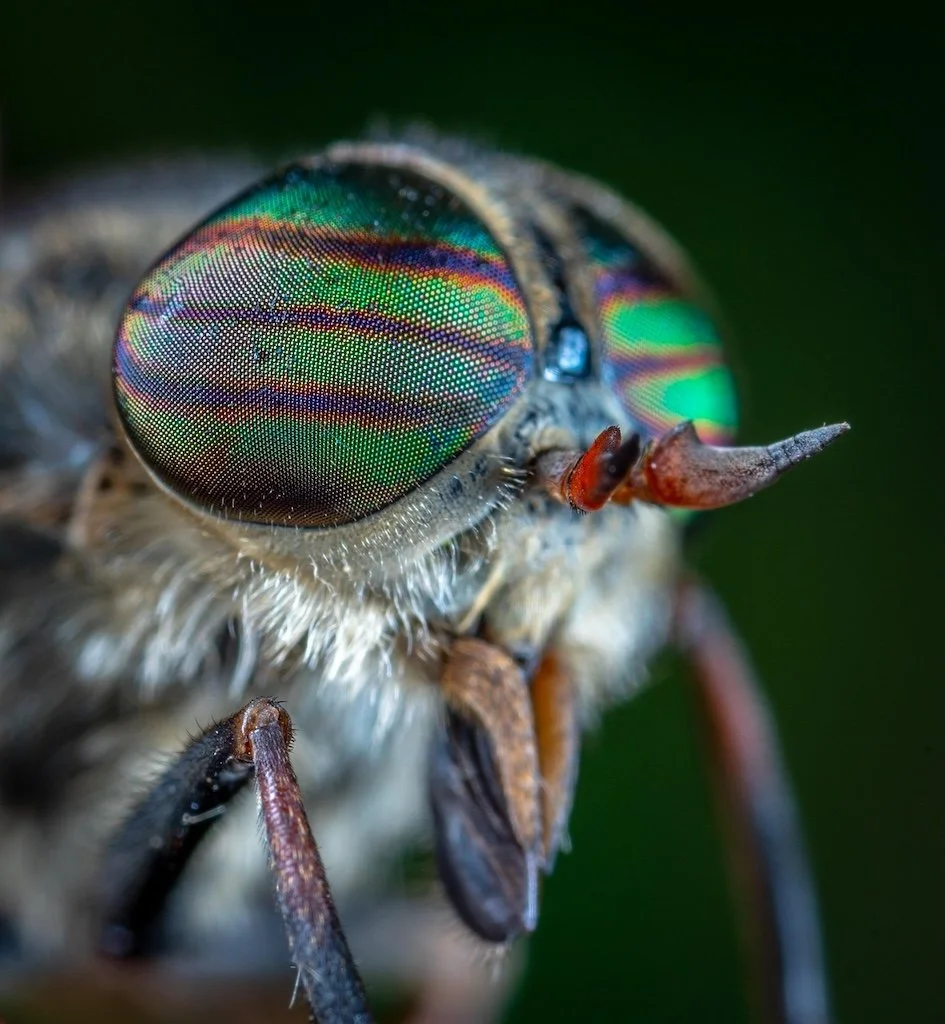
The only beautiful thing about a cleg, it’s eyes!
Clegs (Horseflies)
Clegs are most common in warmer weather, particularly in low-lying, rural areas. They like hot summer days and, from my experience, are most prevalent from the end of June through July.
They are often found:
Near livestock.
Close to water.
In glens on approaches and tracks.
Unlike midges, horseflies bite through thin clothing and are attracted to movement and warmth.
Managing Clegs
Clegs are harder to deter, but their impact can be reduced by:
Wearing long sleeves and trousers.
Avoiding prolonged stops in low-lying areas.
Moving on to higher or breezier ground when possible.
Using repellent, although effectiveness varies.
Top Tip: A button up breathable jungle shirt is too thick for a cleg to bite through.
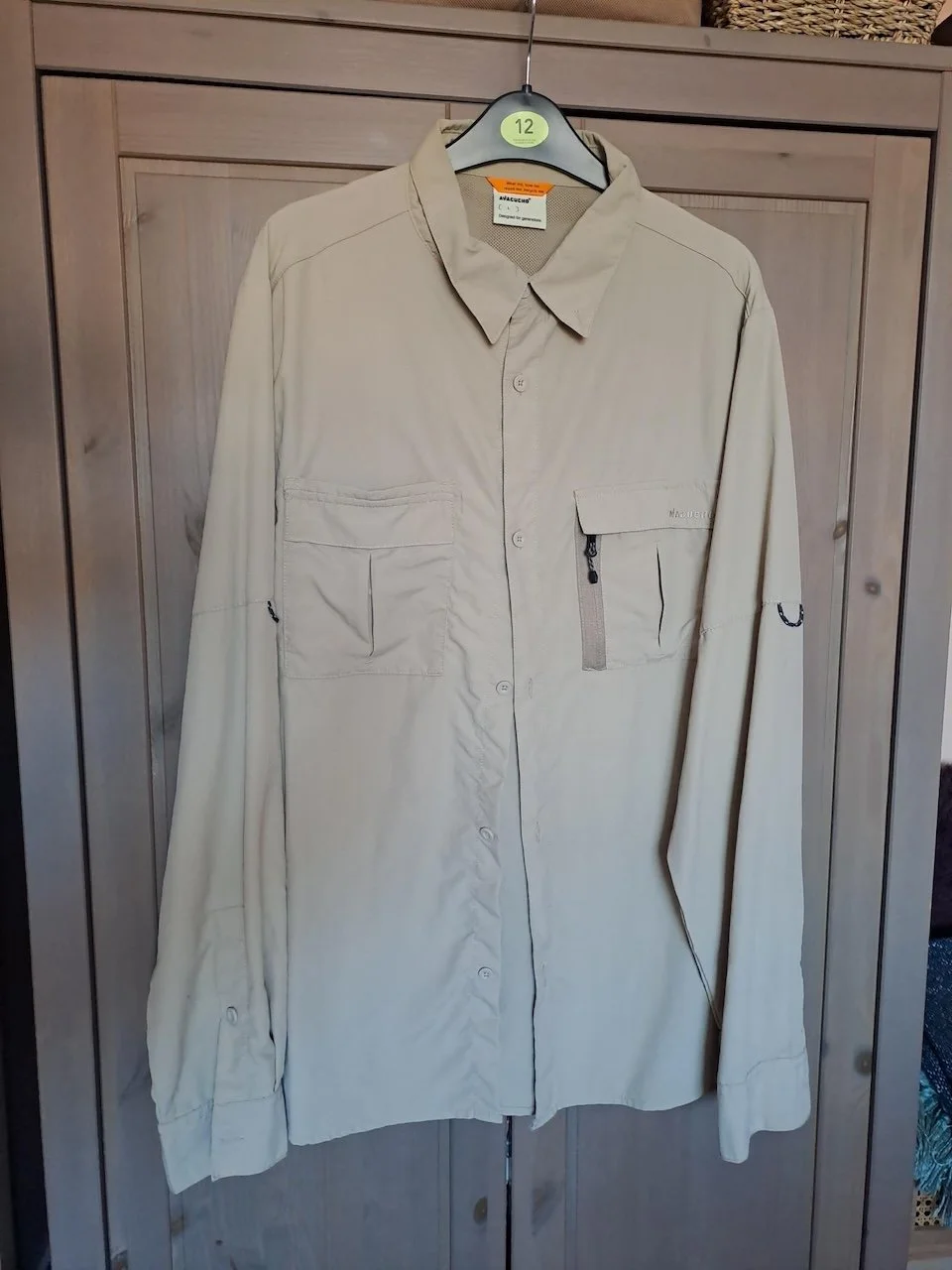
Highland jungle wear!
Final Thoughts
Midges, ticks, and clegs are part of summer hillwalking in Scotland. With awareness and preparation, their impact can be managed effectively. Simple measures such as clothing choices, route planning, use of repellent, and post-walk checks help walkers stay comfortable and focused on the day in the hills.
Written by Edd Hamilton